Our Visionaries

Museo was created to support patients and healthcare professionals through an environment that reduces stress and supports dignity. Located at the gateway to Houston’s Museum District, the building reflects a long-standing collaboration between physician and founder Dr. Mike Mann, architect Marko Dasigenis of PJMD Architects, and architectural color designer Carl Black. Each has contributed a distinct discipline to a unified approach to care.

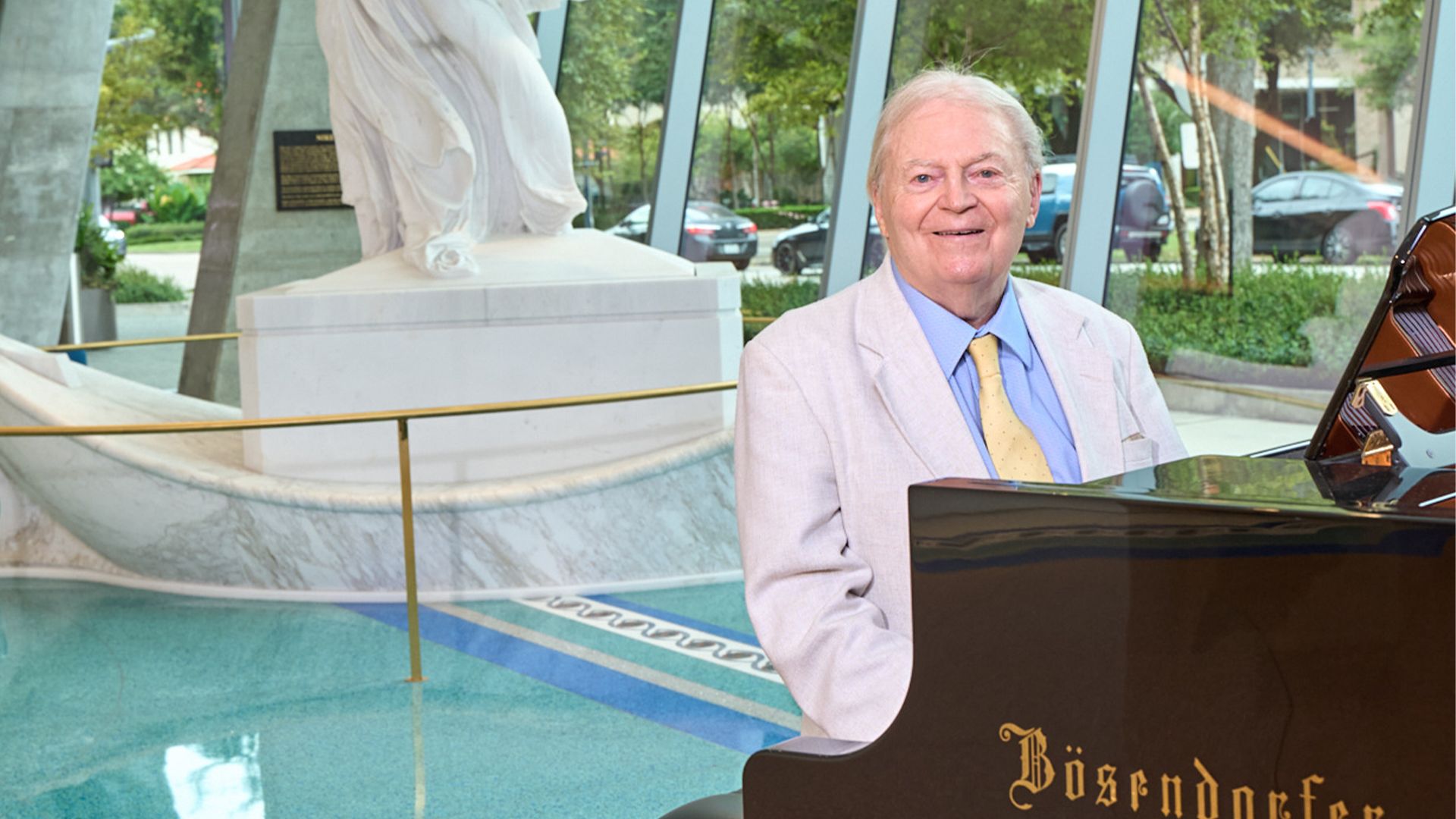
Dr Mike Mann - Museo Houston

Dr. Mike Mann

For more than four decades, patients and healthcare professionals in Texas have benefited from Dr. Mike Mann’s commitment to care that is both clinically advanced and deeply human. Since founding Mann Eye Institute in 1977, he has remained at the forefront of ophthalmology, helping advance laser-based vision correction while maintaining a steadfast dedication to compassionate, patient-centered care.

Museo reflects Dr. Mann’s belief that environment is not neutral: the spaces in which care is delivered can either deplete or restore. Conceived as an extension of this belief, Museo integrates medicine with art, architecture, and light to support calm, orientation, and dignity, elevating the patient experience beyond the clinical.

Dr. Mann understands leadership as long-term stewardship rather than authorship. His work reflects a commitment to building institutions that endure beyond any single moment: spaces, systems, and cultures designed to serve people over time. Museo is not conceived as a singular project, but as a living environment shaped through care, discipline, and continuity, where medicine and culture remain in sustained dialogue rather than fixed expression.

Beyond medicine, Dr. Mann is deeply engaged in philanthropy and cultural stewardship. Through Experience Museo, he supports art institutions and community initiatives that foster connection and shared presence. His philanthropic efforts also include expanding access to eye health and vision care both locally and internationally, including support for initiatives such as the See Better Foundation in Houston and sight-restoring efforts across Central and South America.

This integration of clinical excellence, humanitarian commitment, and cultural stewardship defines Dr. Mann’s enduring contribution to how care is practiced and experienced.

For more information, visit MannEye.com.
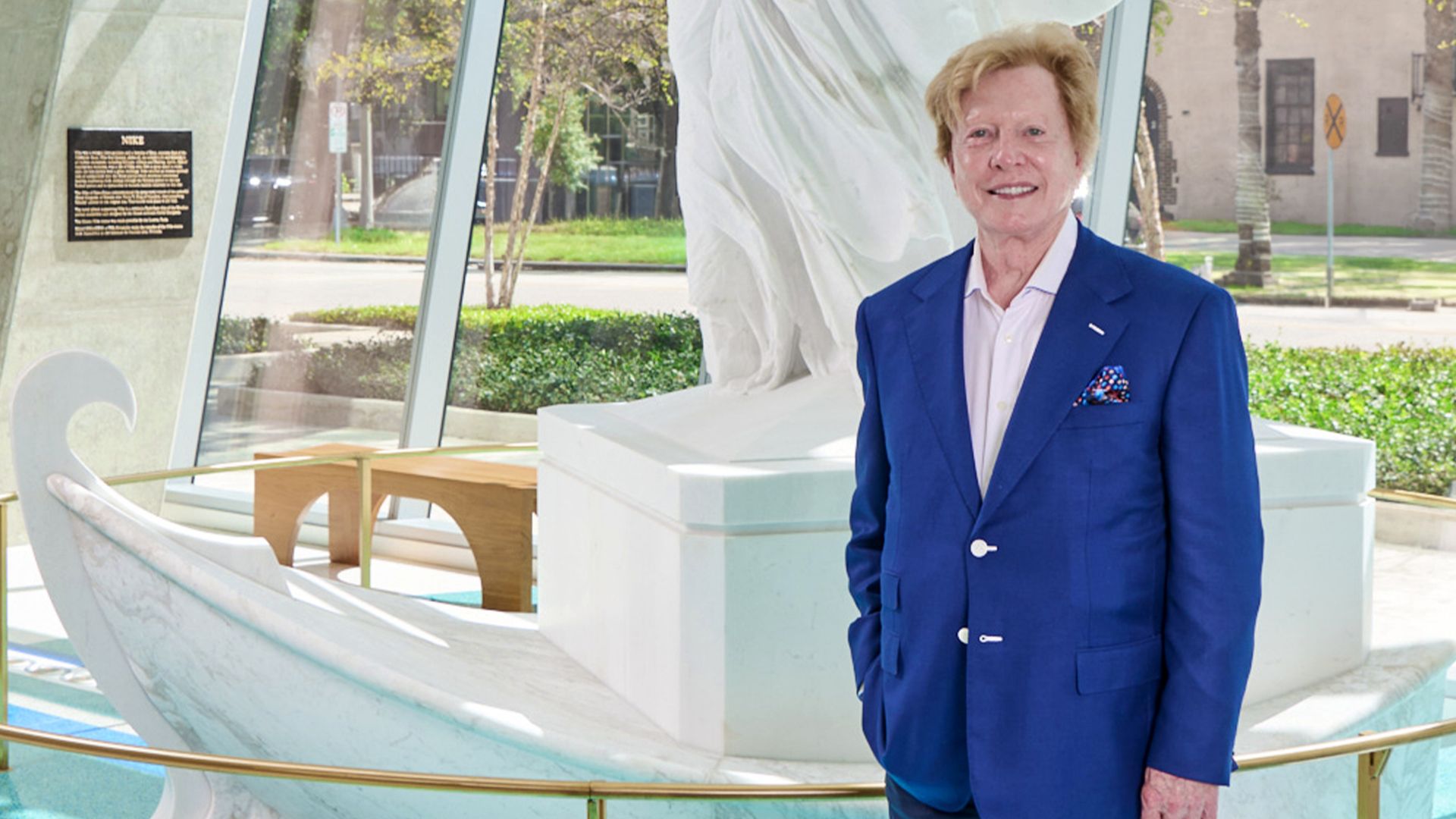
Marko Dasgenis at Museo Houston

Marko Dasgenis

Space is experienced before it is understood. Marko Dasigenis’s work is shaped by this principle—designing environments that support orientation, movement, and a sense of calm through form, proportion, and material. Dasigenis approaches architecture as a discipline of translation.

A Houston-based Greek-American architect, Dasigenis brings a deep respect for place, cultural continuity, and the human experience of space to his work. His design sensibility aligns naturally with Museo’s classical inspirations and its mission to bridge the healing arts with the visual arts.

Trained at the University of Texas at Arlington, Dasigenis began his career in New York City working with the well-known postmodernists Philip Johnson and John Burgee. This early experience shaped his understanding of architecture as both conceptual expression and civic responsibility—an approach that continues to inform his practice.

As principal of PJMD Architects, Dasigenis leads work that balances sculptural clarity with functional performance. He has directed complex, large-scale projects worldwide, including high-rise and mixed-use developments, with a consistent emphasis on proportion, material integrity, and longevity. At Museo, architecture actively contributes to patient experience, community engagement, and a sense of elevation beyond the clinical to support care without overwhelming it.

Beyond Museo, his work includes significant contributions to sacred architecture, including the renovation and expansion of the Annunciation Greek Orthodox Cathedral and architectural work for the Saint Paraskevi Greek Orthodox Monastery. These projects reflect a sensitivity to spiritual environments, ritual, and cultural heritage—spaces designed to support contemplation, continuity, and collective identity.

For more information, visit PJMDA.com/Marko-Dasigenis

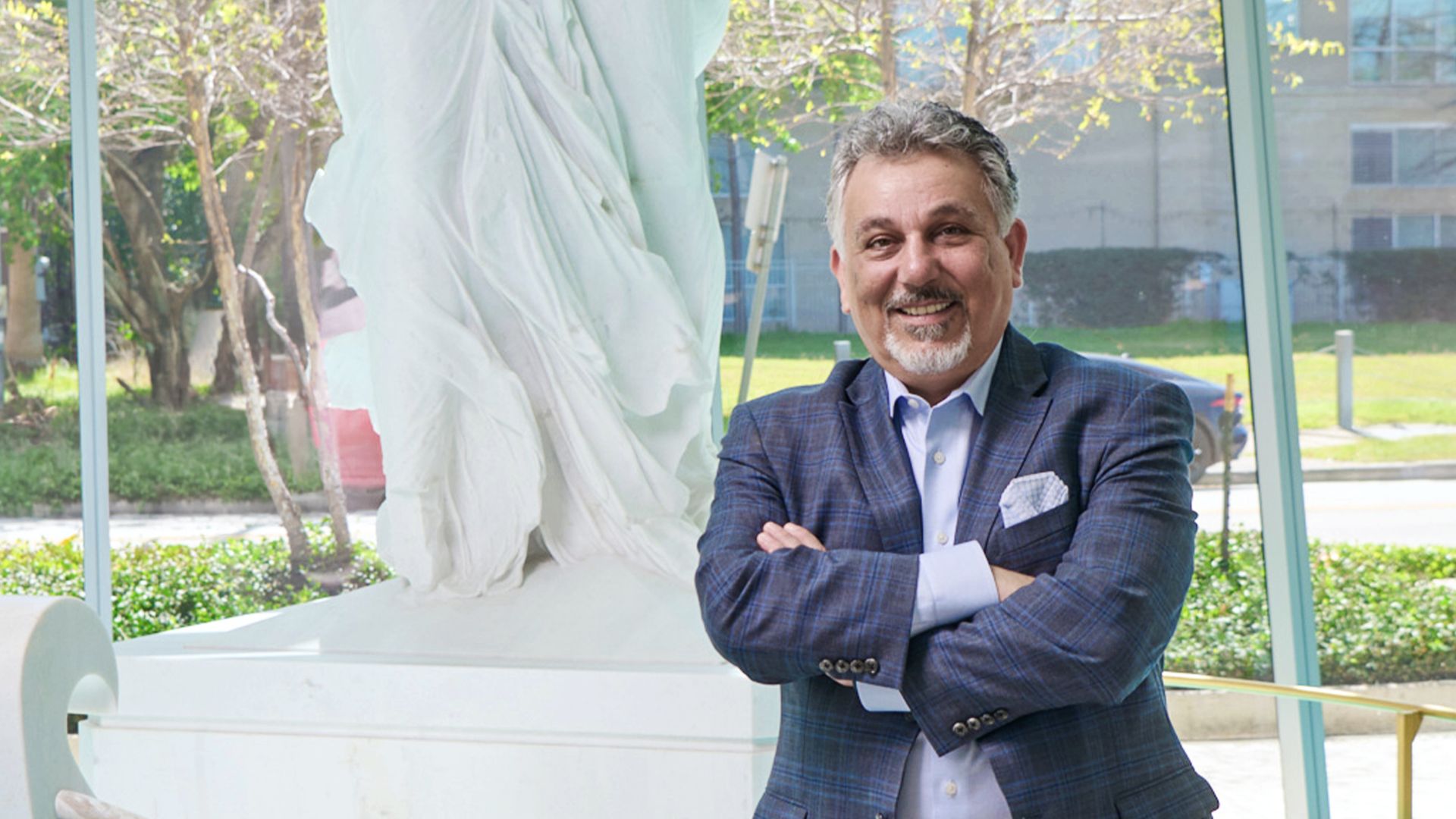
Carl Black, PhD at Museo Houston

Carl Black, PhD

Carl Black’s work is grounded in this understanding: using color, material, and light, he shapes how environments are felt, not simply seen.

Based in New York, Black is an architectural color designer and consultant whose practice approaches color not as decoration, but as an integral architectural element. His work focuses on how color influences perception, emotional response, and a sense of well being to quietly support clarity, calm, and orientation within space.

Black’s process is rooted in observation and context. He studies how light enters and moves through a space, how surfaces receive it, and how materials respond over time. Color emerges through sustained attention to air, scale, and material, allowing palettes to be shaped by lived experience rather than imposed as visual statement.

At Museo, Black collaborated closely with architect Marko Dasigenis to shape the building’s interior atmosphere through architectural color. Luminous white marble, glass, and layered blue-green and deep blue tones were selected for their capacity to calm, orient, and hold space. These choices draw from Greek cultural references, including the Aegean Sea and Apollo, long associated with balance, medicine, and healing to quietly support the experience of care.

Influenced by figures such as Paul Rudolph and Jack Lenor Larsen, Black brings a historically grounded yet contemporary sensibility to his work. Across residential, commercial, and institutional projects, his practice integrates color seamlessly into architecture. His work shapes atmosphere and experience in ways that are felt before they are consciously noticed.

Through color, light, and material, Black’s work creates environments that support presence, clarity, and calm to allow space itself to participate in the experience of care.